Short answer
Couples based in Australia usually complete the legal marriage in Australia and hold the full ceremony in Hong Kong as a symbolic one. It is simpler, costs less, and looks identical to every guest in the room. Plan nine to twelve months ahead, aim for October to December, and treat the tea ceremony - not the vows - as the emotional centre of the day.
The legal question, answered first
This is where most planning stalls, so it is worth clearing up immediately. I am a Commonwealth-registered marriage celebrant, which means I can legally solemnise a marriage anywhere in Australia and nowhere else. That is a limit of the registration, not a matter of preference.
So there are two workable paths for a Hong Kong wedding:
- Sign in Australia, celebrate in Hong Kong. A short legal signing at home - often with two witnesses and nobody else - followed by the wedding your family will actually remember, held in Hong Kong. This is what the majority of my couples do.
- Marry legally in Hong Kong. Handled through the Hong Kong Registrar of Marriages or a locally licensed celebrant, with its own notice period and documentation. Worth doing if one of you holds Hong Kong residency or the family strongly prefers it.
Before you rely on any of this: marriage requirements, notice periods and accepted documents change, and they differ depending on the passports you hold. Confirm current rules with the Hong Kong Registrar of Marriages and, for the Australian side, with Births Deaths and Marriages in your state before you book anything.
When to hold it
Hong Kong has one clearly best season and one clearly difficult one.
October to early December
Cool, dry, and low humidity. If any part of your day is outdoors - a Southside lawn, a rooftop, photographs on the harbour - this is the window. It is also the busiest, so venues and photographers book out first.
March and April
A softer alternative, with more greenery and fewer competing weddings. Humidity begins climbing by late April.
June to September
Heat, humidity and typhoon season overlap. It can be done, but design the day indoors and build a genuine contingency rather than a hopeful one.
Choosing between the two Hong Kongs
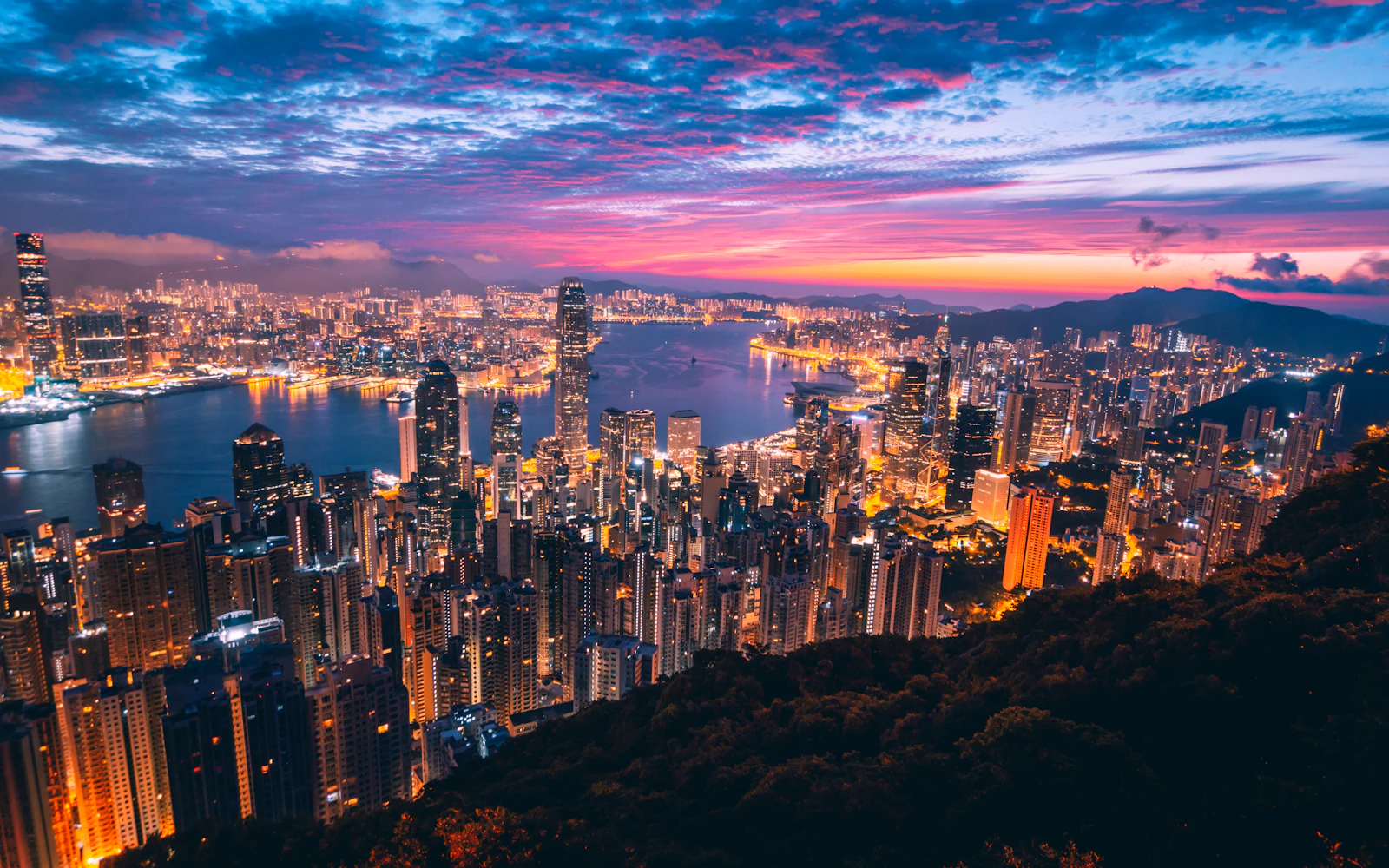
Almost every Hong Kong wedding comes down to one decision: the harbour, or the sea. They produce completely different days.
Harbourfront and city
Skyline in every frame, guests staying where they celebrate, and no travel time to manage. on the Kowloon waterfront is the version of this I recommend most often.
Southside and coastal
Sea, colonial architecture and slower light - a Hong Kong most visiting guests have never seen. The Repulse Bay is the classic choice, with the caveat that you must budget the drive from Central into your run sheet.
The parts your family will judge you on
Guests forget the centrepieces. They do not forget whether the tea ceremony was done properly.
Fetch-the-bride (接新娘)
Morning door games at the bride's home, run by the bridesmaids. Fun, chaotic, and the single most common cause of a timeline collapsing before lunch. It needs an actual schedule and someone empowered to enforce it.
Tea ceremony (敬茶)
The couple serve tea to elders in strict order of seniority and receive blessings, often with jewellery or red packets. This is the emotional centre of a Hong Kong wedding. If your relatives speak different languages, it also needs narrating so nobody is left guessing what just happened - which is a large part of what I do on the day.
The banquet
Multiple courses, speeches, table visits and a great deal of standing. Western reception pacing does not map onto it cleanly, and trying to force the two together is where most bilingual weddings lose their rhythm.
Planning around guests who are flying in
- Send dates absurdly early. Long-haul guests book flights on price, not on your timeline.
- Give them a reason to stay a week. Hong Kong rewards it, and it turns your wedding into their holiday.
- Write the run sheet in two languages. Not out of politeness - because half your guests will otherwise be one step behind all day.
- Nominate one contact who is not you. Someone in Hong Kong who can answer questions on the day. Usually that is me.
Where to start
If you are at the beginning of this, the two decisions that unlock everything else are the season and the side of the water. Everything else - venue, guest list, whether you sign at home first - follows from those two. If you would like to talk it through, that conversation is free and I will tell you honestly if a Hong Kong wedding is not the right call for your situation.